
This Weekend's Programs in Brief
Aug 21-23, 2026
For the final weekend of orchestral concerts at Tanglewood, we begin with the Broadway, film, and concert star Cynthia Erivo in her Tanglewood debut performance. Joining Erivo and the Boston Pops for a wide range of classical, pop, and Broadway selections are conductor Anthony Parnther in his Boston Pops debut and music director Mark Meadows, an acclaimed jazz composer and actor in his own right. Meadows returns to Tanglewood with his group The Movement for a Tanglewood Learning Institute concert on September 18.
On Saturday, the Boston Symphony Orchestra is joined by acclaimed violinist Randall Goosby making his Tanglewood debut with two short and expressive works. Florence B. Price’s tuneful and charming single-movement Violin Concerto No. 2, one of her final pieces, was premiered in a version for violin and piano just after her death. The orchestral score was lost for decades, only resurfacing in 2009; the live public premiere of the piece took place only in 2018. Randall Goosby has championed the concerto, also recording it along with Price’s earlier violin concerto. Goosby also plays Saint-Saëns’s showpiece Introduction and Rondo capriccioso for violin and orchestra, originally written for the great Spanish virtuoso Pablo de Sarasate in 1863.
Following their annual Prelude Concert in Ozawa Hall at 6pm Saturday—the Argentine composer Martín Palmeri’s Misatango—the Tanglewood Festival Chorus sings Leonard Bernstein’s characterful Chichester Psalms to open the BSO concert. Closing the program is Antonín Dvořák’s Symphony No. 8, a warm and sunny symphony given its American premiere by the BSO in 1892.
Sunday, the summer Boston Symphony season concludes with the traditional performance of Beethoven’s Symphony No. 9, a piece that continues to astonish 202 years after its original premiere. The performance features the Tanglewood Festival Chorus and three soloists making their BSO debuts this weekend. Spanish conductor Gustavo Gimeno returns to the BSO podium for the symphony. The program opens with an arrangement for chorus and piano four-hands of the opening movement of Brahms’s A German Requiem featuring the Tanglewood Festival Chorus.
Join us for further Popular Artists concerts at Tanglewood in the next two week and visit bso.org/events for information on the upcoming BSO season at Symphony Hall.

Prelude Concert: BSO Musicians
Seiji Ozawa Hall, Lenox/Stockbridge, MA
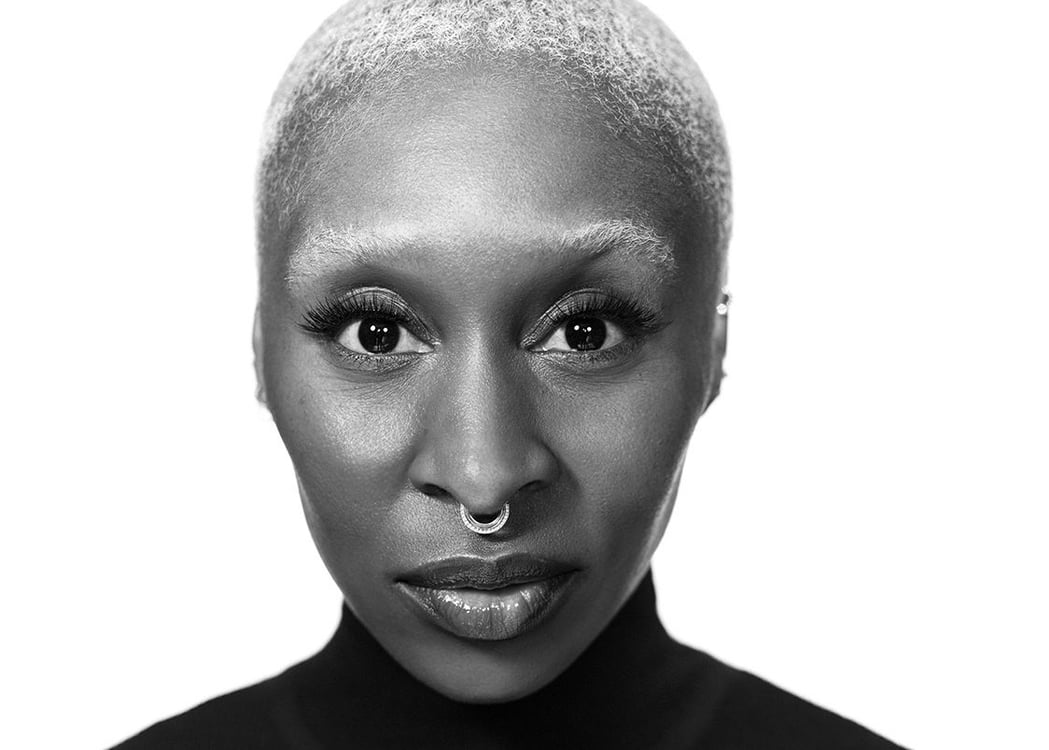
Cynthia Erivo with the Boston Pops
Koussevitzky Music Shed, Lenox/Stockbridge, MA

Prelude Concert: Tanglewood Festival Chorus
Seiji Ozawa Hall, Lenox/Stockbridge, MA

Dvořák Symphony No. 8 and Bernstein Chichester Psalms
Koussevitzky Music Shed, Lenox/Stockbridge, MA

Beethoven Symphony No. 9, Ode to Joy
Koussevitzky Music Shed, Lenox/Stockbridge, MA