All Rachmaninoff: Andris Nelsons with Seong-Jin Cho


Seong-Jin Cho
Image credit:
Stephan Rabold
All Rachmaninoff: Andris Nelsons with Seong-Jin Cho
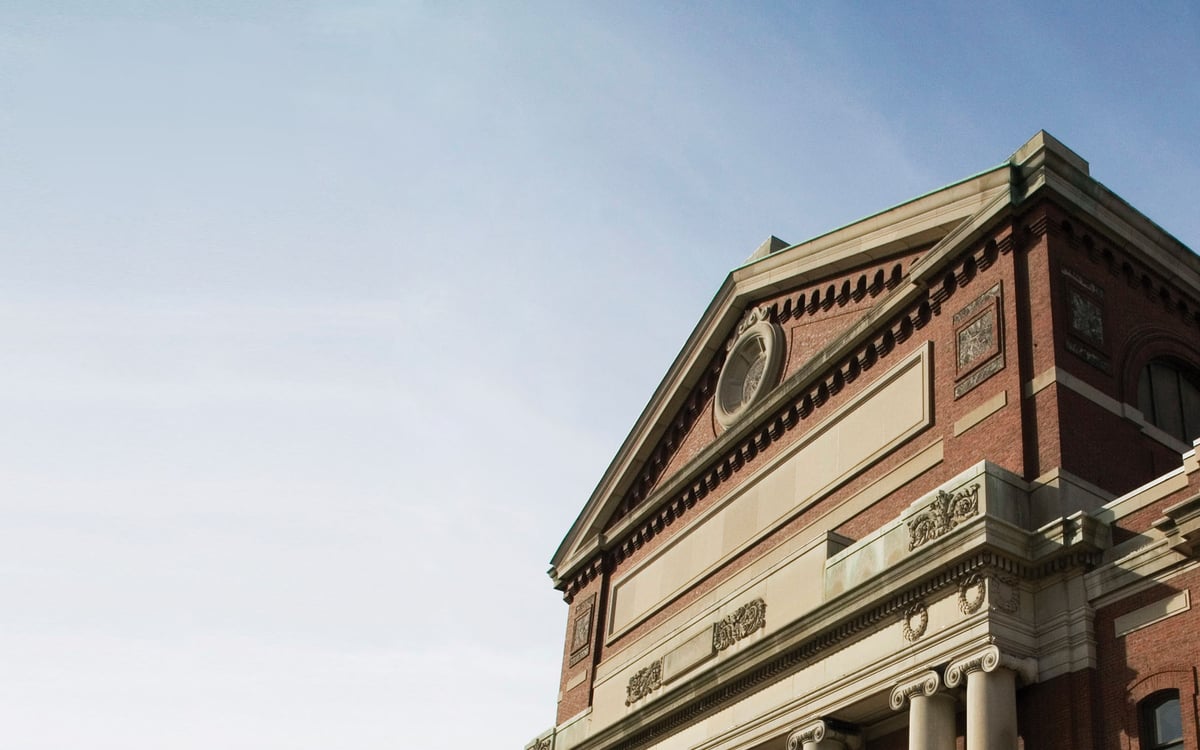
The scintillatingly expressive Korean pianist Seong-Jin Cho rose to stardom after winning First Prize at the Chopin International Competition at age 20. A frequent collaborator of Andris Nelsons and the BSO, he returns to Symphony Hall for Sergei Rachmaninoff’s final work for piano and orchestra, his Rhapsody on a Theme of Paganini, which demands both stunning virtuosity and poignant lyricism. The composer’s 1908 Symphony No. 2 is his powerful, melodically rich perspective on the Romantic symphonic tradition.
The scintillatingly expressive Korean pianist Seong-Jin Cho rose to stardom after winning First Prize at the Chopin International Competition at age 20. A frequent collaborator of Andris Nelsons and the BSO, he returns to Symphony Hall for Sergei Rachmaninoff’s final work for piano and orchestra, his Rhapsody on a Theme of Paganini, which demands both stunning virtuosity and poignant lyricism. The composer’s 1908 Symphony No. 2 is his powerful, melodically rich perspective on the Romantic symphonic tradition.
The scintillatingly expressive Korean pianist Seong-Jin Cho rose to stardom after winning First Prize at the Chopin International Competition at age 20. A frequent collaborator of Andris Nelsons and the BSO, he returns to Symphony Hall for Sergei Rachmaninoff’s final work for piano and orchestra, his Rhapsody on a Theme of Paganini, which demands both stunning virtuosity and poignant lyricism. The composer’s 1908 Symphony No. 2 is his powerful, melodically rich perspective on the Romantic symphonic tradition.
The scintillatingly expressive Korean pianist Seong-Jin Cho rose to stardom after winning First Prize at the Chopin International Competition at age 20. A frequent collaborator of Andris Nelsons and the BSO, he returns to Symphony Hall for Sergei Rachmaninoff’s final work for piano and orchestra, his Rhapsody on a Theme of Paganini, which demands both stunning virtuosity and poignant lyricism. The composer’s 1908 Symphony No. 2 is his powerful, melodically rich perspective on the Romantic symphonic tradition.